How to Capture Stunning Wildlife Photography in Australia

Choosing the Right Gear
As a dedicated wildlife photographer based in beautiful Brisbane, I often begin my day with my gear in hand, eager to capture those elusive golden hour shots. The right gear is crucial, especially when exploring majestic experiences such as Arctic cruises or photographing the vibrant landscapes during South America holidays. While the vast, icy vistas of Antarctica might call for a different set of tools, there are some essentials that remain common across such unique destinations.
Essential Camera Features
A camera with a high-resolution sensor is fundamental, providing the detail necessary to capture distant wildlife in all its glory. Look for models with robust weather-sealing to withstand harsh conditions, be it the blustery winds from Brisbane's Kangaroo Point Cliffs or the chilling air of Antarctica cruises.
Selecting Lenses for Wildlife
Prime lenses, while often costly, offer superior image quality and wider apertures, ideal for low-light environments. Telephoto zooms provide the versatility needed for capturing wildlife from a distance. A wide-angle lens, on the other hand, works wonderfully for those awe-inspiring landscape shots, such as those you might find at the Brisbane Botanic Gardens.
Recommended Tripod Options
A sturdy, lightweight tripod is indispensable. Opt for one with a quick-release plate for on-the-go flexibility, particularly useful when shifting from the close wildlife encounters at Lone Pine Koala Sanctuary to the sweeping skyline views at Kangaroo Point Cliffs.
Choosing quality gear transforms photography from a hobby into an adventure, letting you explore the world with a creative lens.
Scouting Locations
For those of you looking to capture the untouched allure of the Galápagos Islands or the dramatic vistas of Antarctica, scouting the right locations is key. Galapagos tours offer a unique opportunity to immerse yourself in diverse and rare habitats, teeming with exotic wildlife. A must-visit spot is the Lone Pine Koala Sanctuary, not only for its close animal encounters but also as an inspiration to seek similar intimate settings in Central America and beyond. You'll want to research local wildlife hotspots to predict where the most vibrant scenes will unfold.
When planning Galapagos Islands tours, timing is crucial to get the most out of the natural light. Early mornings and late afternoons, reminiscent of the soft hues seen from Brisbane's Kangaroo Point Cliffs, are ideal for capturing breathtaking shots. Observing these timeframes can guarantee stunning photographs that showcase the delicate relationship between light and nature.
For the adventurous, veering off-the-beaten-path during your Central America travel can yield surprising photographic rewards. Wander beyond the typical routes to uncover serene landscapes unscarred by commercial tourism. It mirrors the surprises found when exploring the less frequented corners of the Brisbane Botanic Gardens. With these strategies, you're not only perfecting your craft but ensuring each click of your camera narrates an epic story of exploration and awe.
Mastering Photography Techniques
Understanding Animal Behavior
Embarking on a wildlife photography journey is akin to a rich tapestry of understanding and timing. Capturing the essence of a moment requires more than just technical skill; it's about immersing yourself into the scene. One of the most rewarding aspects I've found is learning to predict animal behavior. Familiarizing myself with how different species move and interact can avert missed shots. Whether it's the gentle sway of a koala or the energetic dive of a penguin, each movement tells a story worthy of capturing.
Achieving Sharp Focus
Achieving a sharp focus is crucial in wildlife photography to convey the intricate details of nature. I often emphasize calibrating focus points and using a fast shutter speed to ensure clarity. Patience is key, as well. Waiting for that perfect moment when the light catches the eye of a creature can make all the difference. The perfect shot might occur right when the sun sets over the Kangaroo Point Cliffs—a breathtaking setting for sharp and crisp captures.
Capturing Motion Effectively
To encapsulate the dynamism of the wild, I often experiment with shutter speed to capture motion. Slower speeds can illustrate the graceful arc of a bird in flight, while faster speeds are ideal for freezing action, like a bounding kangaroo. Sometimes even just panning with your subject can produce extraordinary results. If luxury tours intrigue you, perhaps a Galapagos cruise can be a source of inspiration where diverse wildlife offers abundant opportunities to practise motion photography.
For those interested in dynamic landscapes, Cuba tours can also provide vibrant backdrops to hone this technique.
Post-Processing Like a Pro
Essential Editing Software
I can't stress enough how essential the right editing software is for transforming raw images into stunning works of art. For anyone delving into wildlife photography, Adobe Lightroom and Photoshop are indispensable tools. They allow for precise adjustments that highlight the intricate beauty of nature captured during your South American tours. Developing a knack for using these programs effectively can elevate your portfolio, making the vivid landscapes of South America travel truly pop.
Enhancing Colors and Details
When it comes to enhancing your images, focusing on colors and details can make a world of difference. Consider adjusting the saturation to bring out the lush greens or the brilliant blues you might have captured. But remember, subtlety is key; you want to magnify nature’s beauty without altering its authenticity. Explore adjusting the contrast and clarity to emphasize the details in your subjects, whether they're the scales of an iguana or the texture of a cliff. These edits can unlock the emotion and story behind your shots, giving them life.
Organizing Your Portfolio
Organizing images can often be as crucial as taking them. Establish a system that allows easy access to your best work. Use collections to segregate images, perhaps by wildlife or location, such as separate folders for photographs of the Galápagos Islands. Tagging is another useful method to streamline your search, especially when dealing with hundreds of images. This can be invaluable when assembling your portfolio for potential clients or personal projects.
Navigating Wildlife Photography Challenges
Conquering Weather and Environment
Brisbane's unpredictable weather can be a real test for those of us keen on capturing the wonders of nature through our lenses. From sudden downpours to blistering sun, it's essential to come prepared. Here are some essentials to keep in mind: pack waterproof bags for your gear, carry microfiber cloths to wipe your lenses, and always have a flexible plan that accommodates unexpected changes. Perhaps the Lone Pine Koala Sanctuary can offer serene shots when the skies are overcast, lending a mystical feel to your photos.
Embracing Ethical Interactions
It’s crucial to respect the natural habitat of wildlife when we're out in places like the Brisbane Botanic Gardens. Ensure you're maintaining a safe distance, using a long lens to capture candid moments without disturbing the subjects. This approach not only preserves the authenticity of your images but also respects the environment you're exploring. Whether it's a koala lounging in the trees or a curious wallaby, each creature deserves our consideration and care.
Overcoming Lighting Challenges
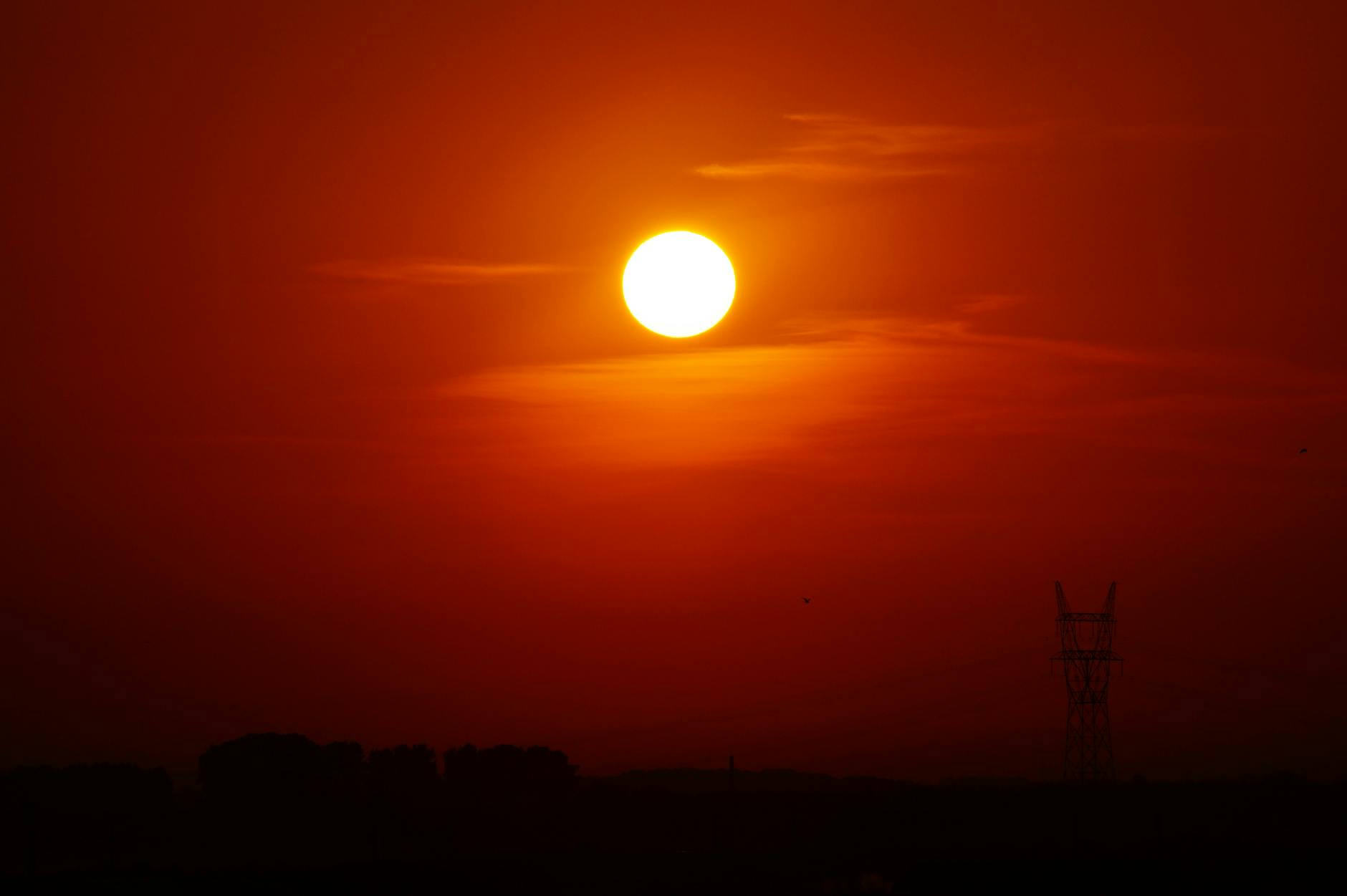
Light can make or break a photograph, and understanding how to work with what's available is vital. Sunrise and sunset offer magical lighting at Kangaroo Point Cliffs, casting a golden glow over the landscape. Utilize natural reflectors like nearby cliffs or bodies of water to bounce light onto your subject. If the low light is your foe, a sturdy tripod can be your savior for long exposure shots, ensuring sharp and vibrant images despite the challenging conditions.